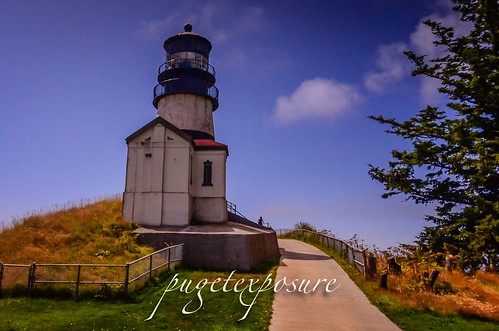
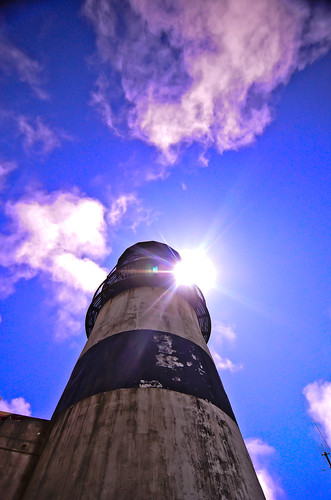
Lime Kiln Lighthouse

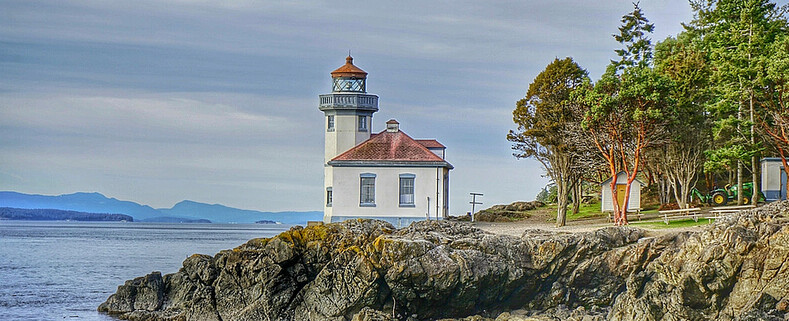
Lime Kiln Lighthouse on the west side of San Juan Island, Washington

Lime Kiln Lighthouse on the west side of San Juan Island, Washington

Lime Kiln Lighthouse on the west side of San Juan Island, Washington

Lime Kiln Lighthouse on the west side of San Juan Island, Washington

Lime Kiln Lighthouse on the west side of San Juan Island, Washington

Showing posts with label columbia river. Show all posts

Monday, October 10, 2016

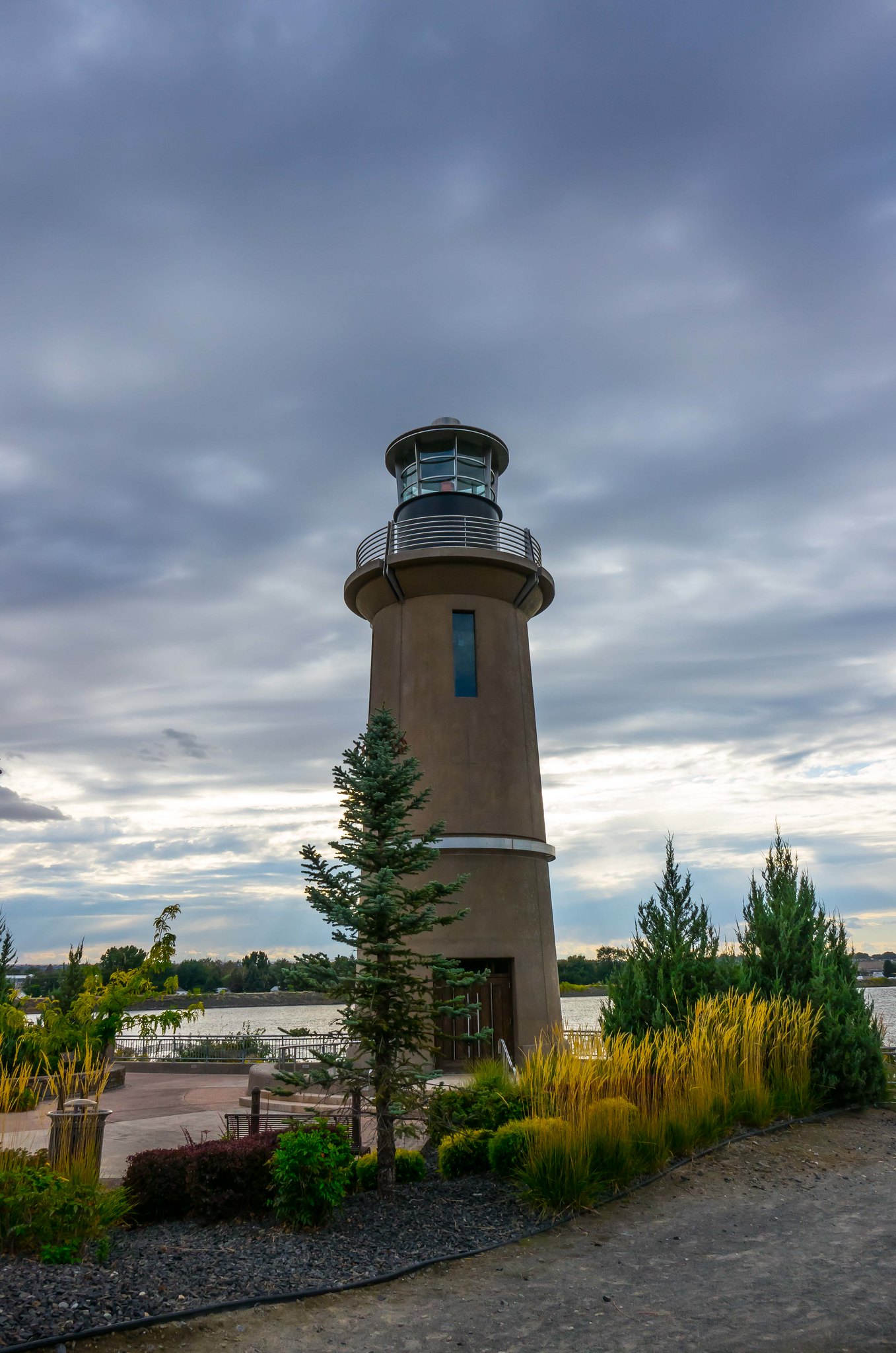
No. 316 Clover Island Lighthouse

Clover Island Lighthouse
350 N Clover Island Dr Kennewick, WA 99336


The Clover Island Lighthouse is the newest "lighthouse" in Washington State and the first lighthouse built in the United States since 1962. It was built in 2010 by the Port of Kennewick. It stands 62 feet tall over the Columbia River and functions as a US Coast Guard approved Private Aide to Navigation (PATRON) which flashes a white beacon ever 4 seconds.


No 315 Gingko Petrified Forest

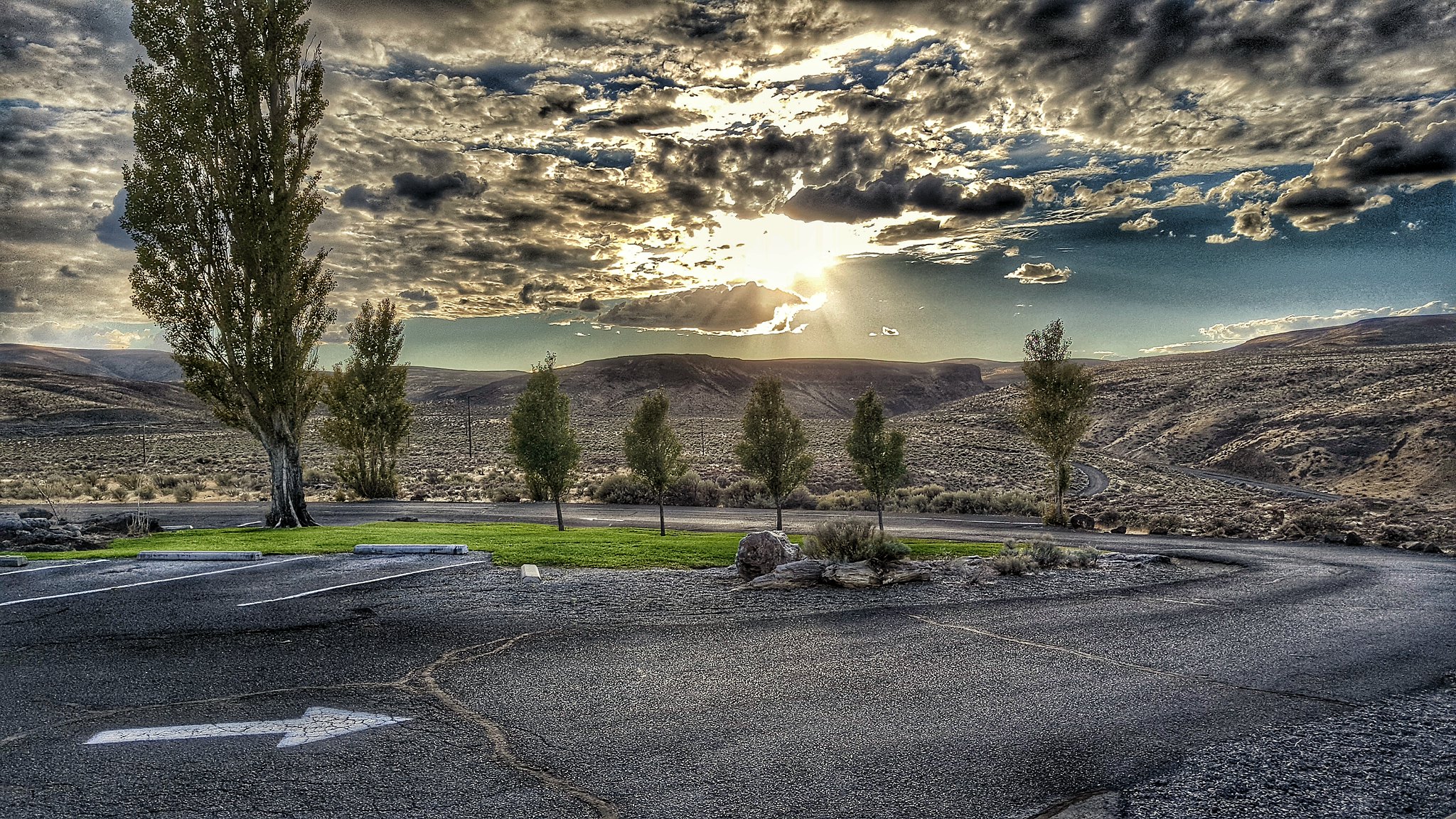
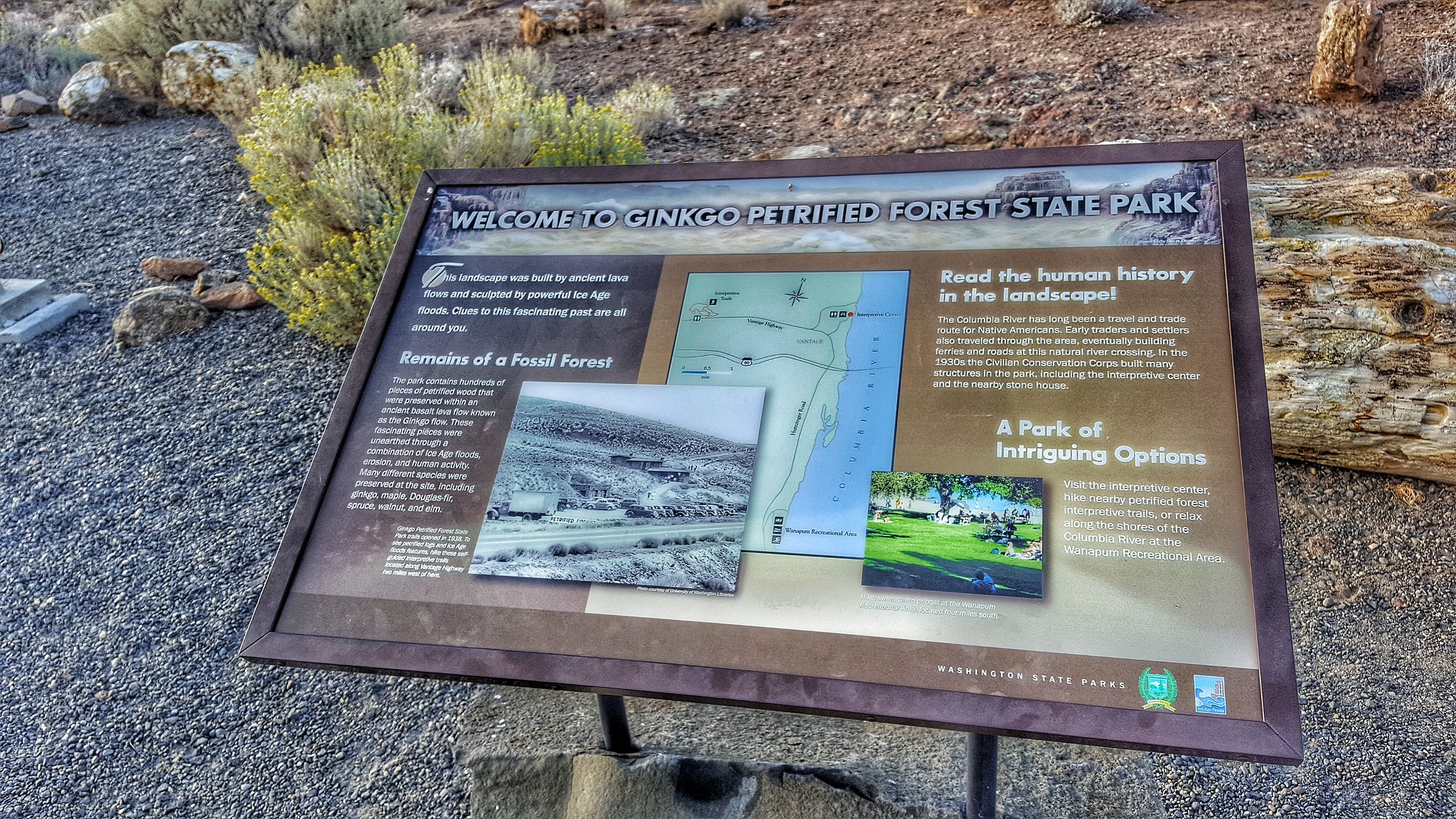
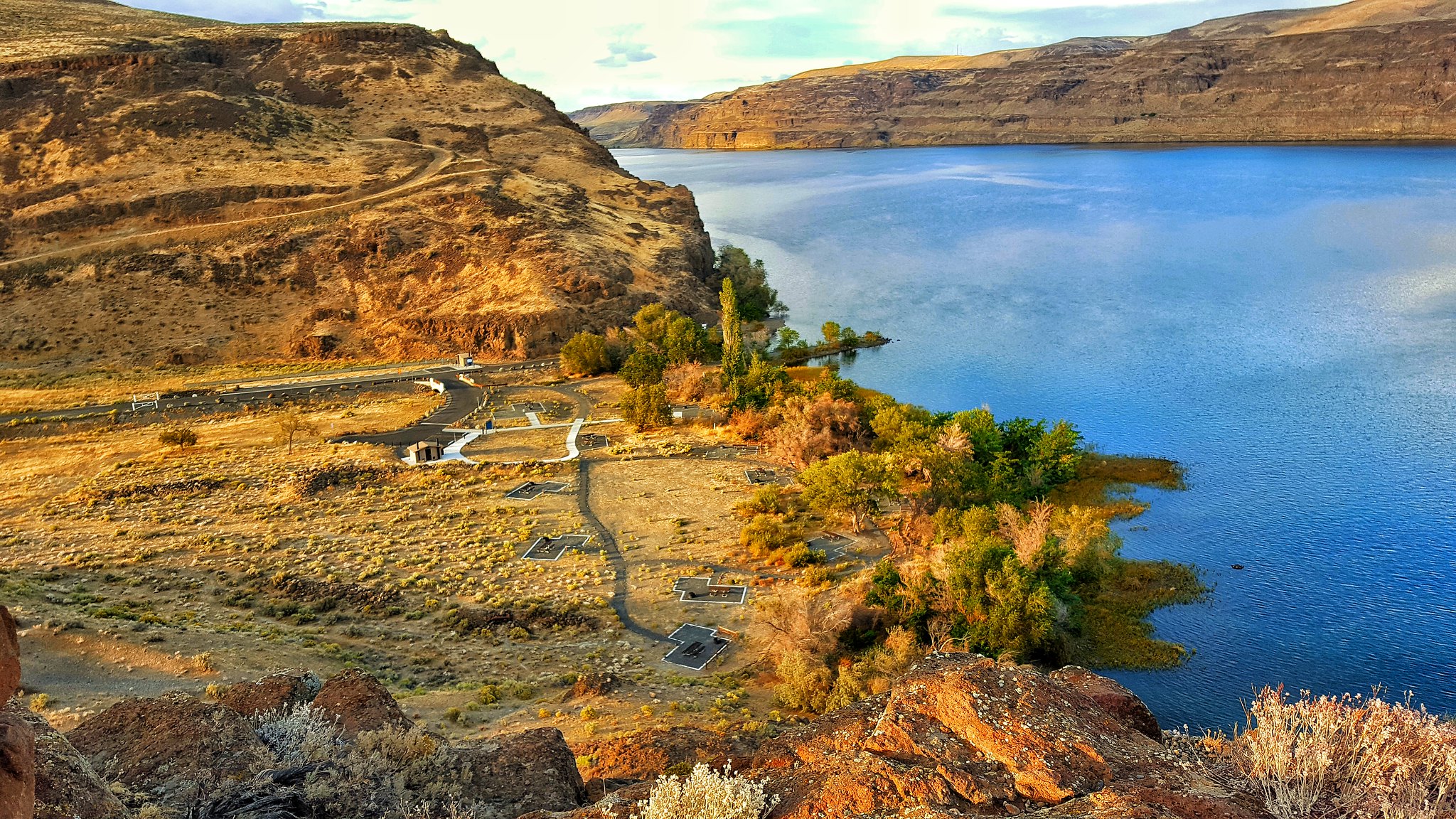
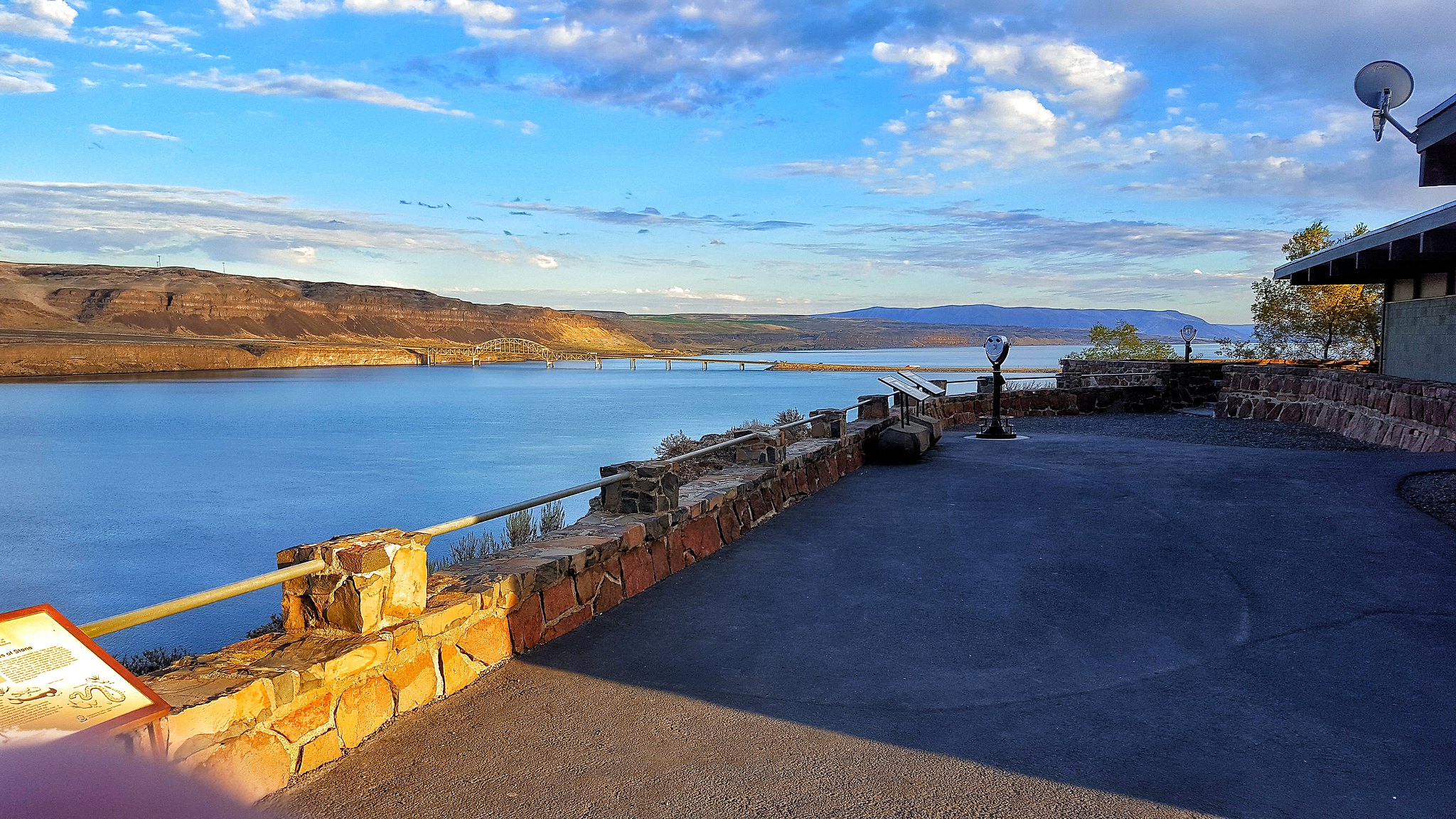
Ginkgo Petrified Forest / Wanapum Recreational Area

 Ginkgo Petrified Forest State Park is a 7,470-acre park with year-round camping at Wanapum Recreational Area. The park features 27,000-feet of freshwater shoreline on the Wanapum Reservoir on the Columbia River. Petrified wood was discovered in the region in the early 1930s, which led to creation of the park as a national historic preserve. Ginkgo Petrified Forest is a registered national natural landmark. It is regarded as one of the most unusual fossil forests in the world.


Tuesday, April 15, 2014

No. 264 Crown Point Vista House, Oregon

Vista House, Oregon Columbia River Gorge

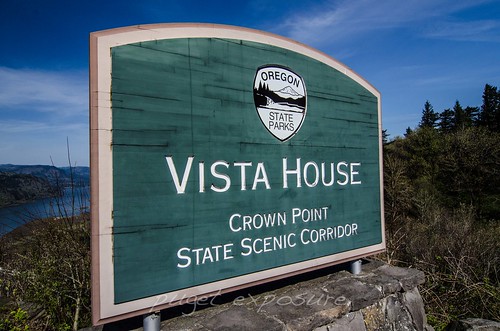
Crown Point Vista House
40700 E Historic Columbia River Hwy
Corbett, OR 97019

MAP IT

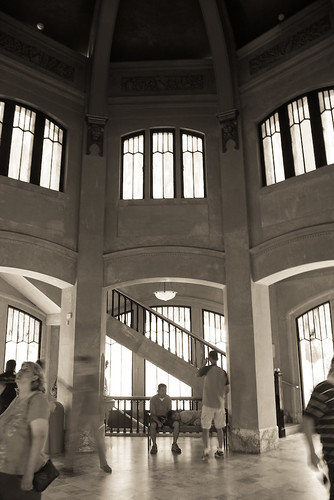
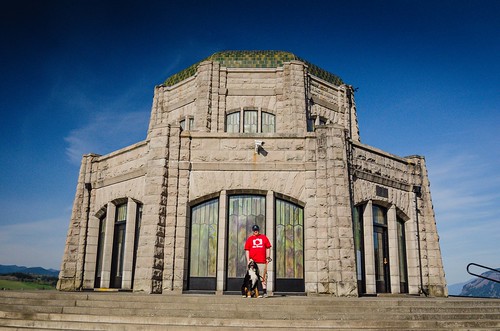
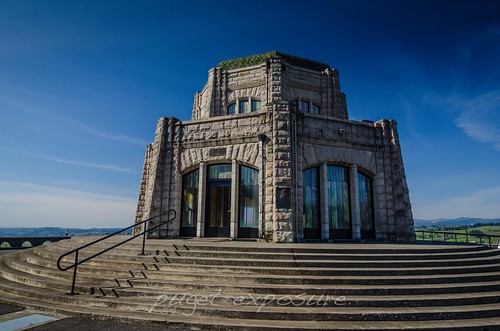
Crown Point Vista House was built between 1916 and 1918 by Multnomah County as a scenic viewpoint and rest area for early motorist traveling on the Historic Highway 30. Vista House octagonal stone structure sits 733 feet above the Columbia River. The domed rotunda is 44 feet wide and 55 feet tall with clerestory windows feature opalescent glass in a simple tracery pattern, with similar colored glass at the tops of the windows. Stairs lead from the rotunda to an elevated viewing platform at the base of the dome. The exterior is gray sandstone, with a green tile roof. The interior is extensively finished in marble, even in the toilets. The dome interior has bronze lining. 
Crown Point was designated a National Natural Landmark in 1971 and Vista House was later placed on the National Register of Historic Places in 1974. 


Vista House
Vista House Interior - Matthew Roberts 
Vista House, Oregon Columbia River Gorge
Taking a break along Historic Highway 30 
Vista House, Oregon Columbia River Gorge
Glass Windows of Vista House 
Vista House, Oregon Columbia River Gorge

Vista House, Oregon Columbia River Gorge
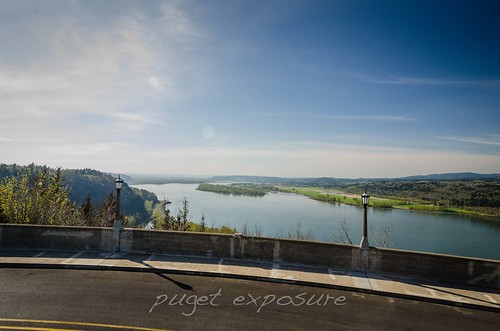
looking west down the Columbia River 
Vista House, Oregon Columbia River Gorge
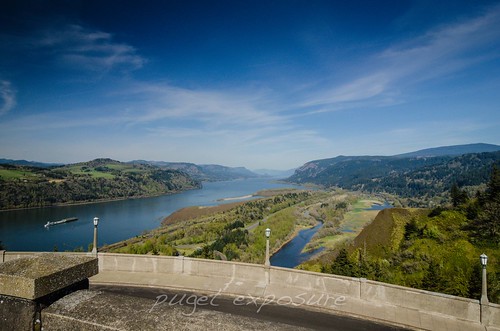
Looking east down the Columbia River 

Saturday, March 1, 2014

No. 243 Cape Disappointment Lighthouse

Cape Disappointment Lighthouse


Cape Disappointment State Park covers 1,882 acres, has 2 miles of ocean beaches and features 2 lighthouses the Cape Disappointment Lighthouse and the North Head Lighthouse. The cliff at the southern tip of the park rise to over 230 feet above the Pacific Ocean. There are many trails that traverse the state park and lead you to the lighthouses and interpretive center. There are primitive to full utility sites available for tents and RV's and you can also reserve yurts via the state website. Modern bathroom facilities have coin operated hot showers.

Cape Disappointment Lighthouse Ilwaco WA


The Columbia River, named after Captain Robert Grey's vessel Columbia Redivivia in 1792, travels nearly 1,200 miles from its source in the Canadian rockies before reaching the Pacific Ocean at Cape Disappointment. The width and strength of the Columbia River causes lots of sand and sediment to build up at the mouth of the river. The rapid flowing river over the shallow sand bar colliding with the Pacific Ocean creates one of the worlds most dangerous waterways. Between 1725 and 1961 234 ships have run aground or been sunk by the turbulent waters. 
The current name for Cape Disappointment dates back to a captain's log entry from July 1788 made by Captain John Meares, who tried to seek shelter for his vessel during a violent sea. After rounding the cape in search of calmer waters he wrote, "Disappointment continued to accompany us...we can safely say no river exists." Captain Meares christened the cape, "Cape Disappointment."
The first attempts at marking the entrance to the Columbia River included topping of trees on the bluff and hanging a white flag. The increased marine traffic and shipwrecks along the cape resulted in a need for better navigation including channel markers and a lighthouse. On October 15th, 1856 the 53' foot tall Cape Disappointment Lighthouse was light. The lighthouse was maintained by 7 different light keepers from 1856 to 1930s. The fourth-order Fresnel lens was removed and the light electrified in 1937. The lighthouse became fully automated in 1973. 
In March 1865 after the bark Industry wrecked near the cape and 17 crew drowned Light Keeper Captain Munson rebuilt a battered longboat as a lifeboat. One year later the cargo ship W.B Scranton ran aground and the entire crew was saved with the lifeboat. Through Lighthouse Keeper Munson's efforts a life saving station was established in 1871. 
Today the United States Coast Guard continues to respond to maritime emergencies from its Cape D station located at Cape Disappointment and to train crew members from across the country on surf and heavy seas rescues through its National Motor Lifeboat School. 
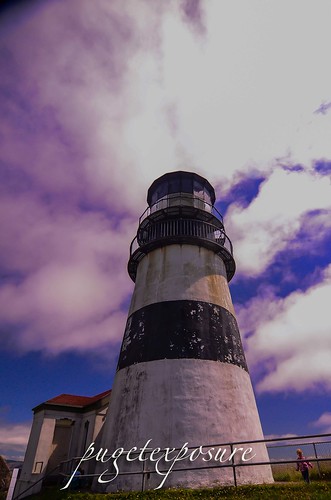
Cape Disappointment Lighthouse Ilwaco WA
Cape Disappointment Lighthouse distinctive black horizontal stripe was added to distinguish it from the North Head Lighthouse just 2 miles to the north
Cape Disappointment Lighthouse Ilwaco WA


National Motor Lifeboat School photo credit: USCG Petty Officer Jamie Parsons  
Waikiki Beach, Cape Disappointment State Park, WA
View from Waikiki Beach Photo credit : Abhinaba Basu